
The Art of the French Omelet with Ella Joy

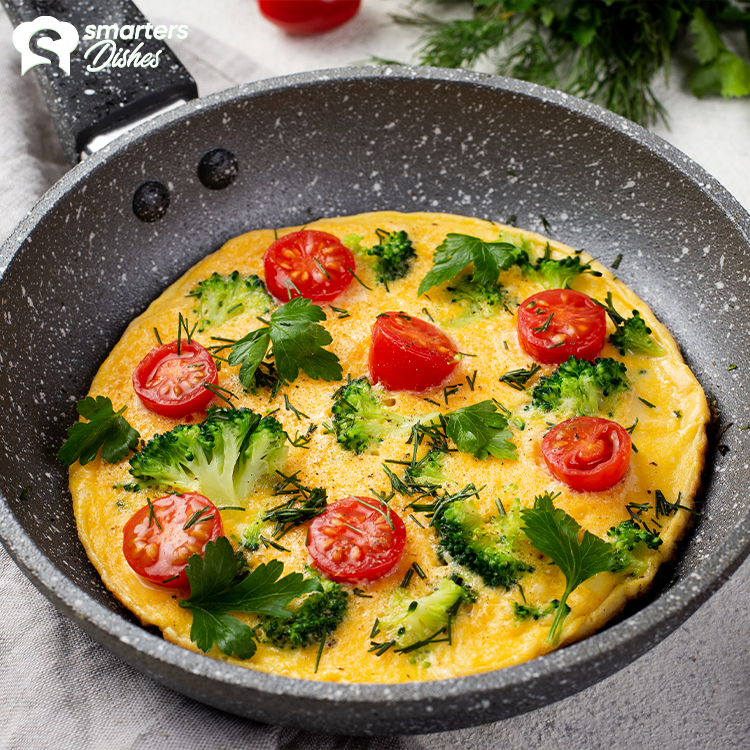
Introduction: The True Test of a Chef “At SmartersDish, we believe that the simplest dishes are often the hardest to master. In the professional culinary world, there is an old saying: ‘The best way to judge a chef is by how they cook an egg.’ Today, I, Ella Joy, am taking you on an extensive journey to master the French Omelet. This is not the browned, folded egg you find in diners; this is a silky, pale, almond-shaped masterpiece with a creamy interior. To reach this level of perfection, we must understand the protein structures, the thermodynamics of the pan, and the rhythmic motion of the whisk.”
The Science of Egg Proteins (Coagulation) “To understand an omelet, we must understand coagulation. Egg proteins are like coiled springs. When heat is applied, they uncoil and bond together. If you apply heat too fast, they bond too tightly, squeezing out the moisture and leaving you with a rubbery, dry omelet. At SmartersDish, our goal is a ‘soft curd’ coagulation. We want the proteins to bond gently, trapping the fats and moisture inside. This is why we use low to medium heat and constant agitation. Think of it as creating a custard inside a thin, delicate skin.”
The Ingredients: The Importance of Quality “1. The Eggs: You must use the freshest pasture-raised eggs possible. Fresh eggs have stronger protein bonds (thick albumen), which results in a more stable structure. 2. The Butter: European-style butter with at least 82% fat content is mandatory. The water content in cheap butter will steam the eggs instead of frying them. 3. The Pan: A 7-inch or 8-inch high-quality non-stick pan is your best friend. It must have sloped sides to facilitate the rolling process. 4. The Seasoning: Fine sea salt and white pepper. We use white pepper specifically to keep the omelet’s surface pristine and free of black specks.”
Step-by-Step Execution: The Ella Joy Method “Step 1: The Preparation. Crack three eggs into a bowl. Use a fork, not a whisk, to blend them. We want to combine the yolk and white without introducing too much air. Air bubbles create ‘brown spots’ on the surface, which is a cardinal sin in French cooking. Step 2: The Pan Setup. Heat your pan over medium-low heat. Add a tablespoon of butter. Wait for the butter to foam and then subside. We are looking for the ‘quiet’ stage of butter. Step 3: The Agitation. Pour the eggs in. Immediately start stirring in a circular motion with a heat-resistant spatula while shaking the pan back and forth. This creates small curds (the baveuse). Step 4: The Set. Once the eggs look like very wet scrambled eggs, stop stirring. Spread them evenly across the pan and let them set for 10 seconds. Step 5: The Roll. Tilt the pan. Use your spatula to fold the top edge over. Gently tap the handle of the pan to move the omelet to the edge, then flip the final fold over onto a warm plate.”
Troubleshooting: Why Your Omelet Failed “If your omelet is brown, your heat was too high. If it’s stuck to the pan, your non-stick coating is compromised. If it’s dry inside, you stirred for too long. At SmartersDish, we encourage you to fail. I broke hundreds of eggs before I produced my first perfect omelet. Each failure is a lesson in temperature control.”
Conclusion: Elevating Your Morning “Serving a perfect French omelet is a gift of love and skill. It shows your guests that you care about the details. For more advanced egg techniques, including the ‘Sous-vide Poach’ and ‘Cloud Eggs,’ my Digital Brunch Masterclass in the shop section provides 150 pages of pure culinary science. Remember, at SmartersDish, we don’t just cook; we create.”