
Molten Lava Cake: the Fluid Center and Structural Shell

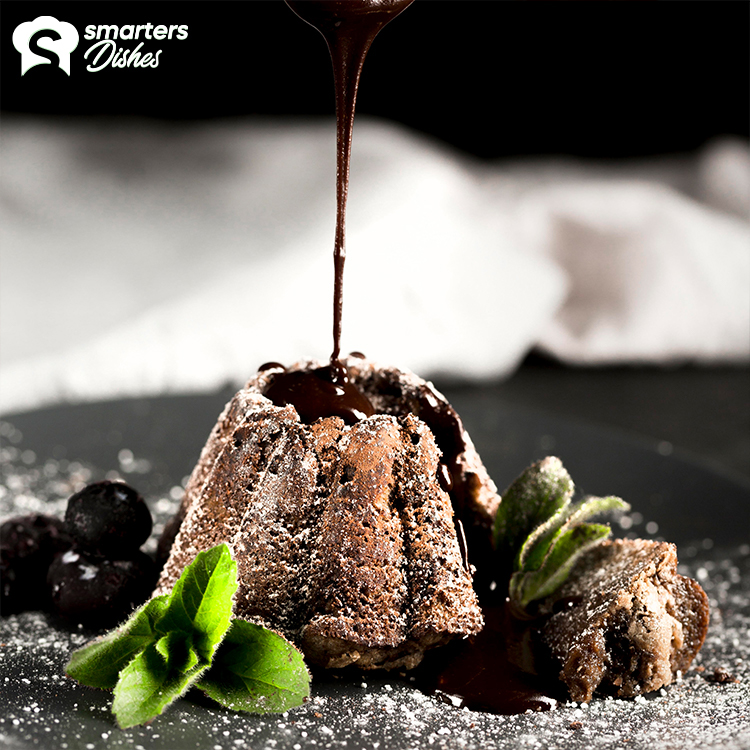
Introduction: A Symphony of Temperatures “Welcome to the dessert laboratory of SmartersDish. I am Ella Joy, and today we are deconstructing a modern classic: The Chocolate Lava Cake (Petit Gâteau). This dessert is a masterpiece of timing and thermodynamics. It is essentially a failed sponge cake that became a worldwide sensation. To achieve the perfect ‘lava’ flow while maintaining a stable exterior shell, we must understand the relationship between protein coagulation and thermal conductivity.”
The Science of Underbaking “The ‘lava’ is not a different sauce injected into the cake; it is the batter itself, intentionally kept below the coagulation temperature of 65°C (150°F). While the outer edges of the cake reach high enough temperatures to set the flour and egg proteins into a solid structure, the center must remain fluid. At SmartersDish, we use high-fat European butter and 70% dark chocolate to ensure the ‘lava’ has a rich, velvety viscosity that doesn’t just run out like water, but flows like silk.”
The Importance of the Emulsion “A lava cake is an emulsion of fat and air. Whisking the eggs and sugar to the ‘Ribbon Stage’ is vital. This traps air bubbles that act as insulators, slowing down the heat transfer to the center of the cake. This gives you a wider ‘margin of error’ during the 12-minute baking window. If you skip this, the heat will penetrate too fast, and you’ll end up with a solid chocolate muffin instead of a culinary spectacle.”