
Journey into the Perfect Pan-Seared Ribeye Steak

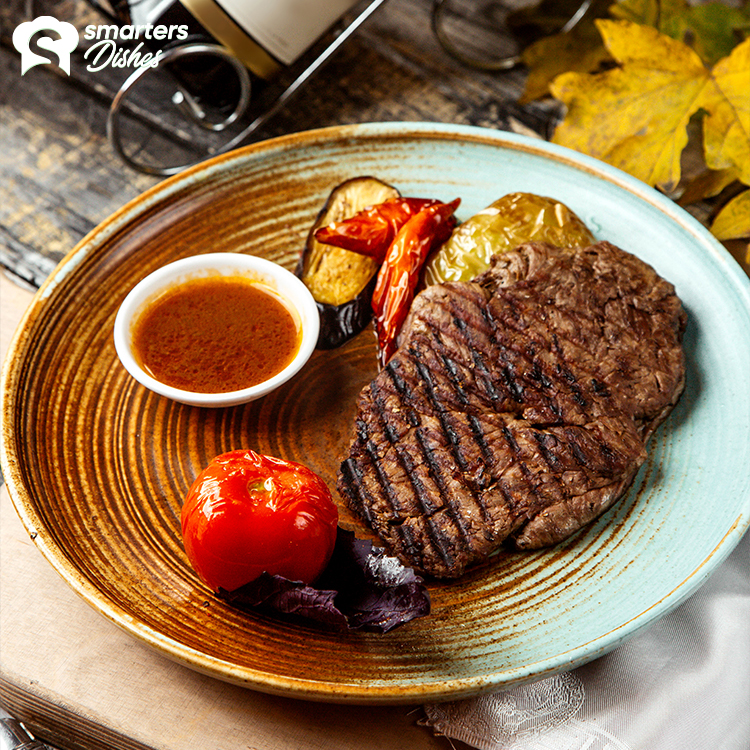
Introduction: The Alchemy of Fire and Meat “Welcome to the SmartersDish steakhouse. I am Ella Joy, and today we are tackling the most iconic dinner dish in the world: The Ribeye. To the uninitiated, cooking a steak seems simple. To a chef, it is a high-stakes game of thermodynamics and chemistry. In this 1,000-word guide, we will explore why moisture is your enemy, why fat is your flavor vessel, and how to achieve that elusive ‘edge-to-edge’ medium-rare pinkness that distinguishes a novice from a master.”
The Science: Understanding the Maillard Reaction “The foundation of a great steak is the Maillard reaction. This is not just ‘browning’; it is a complex chemical reaction between amino acids and reducing sugars. It only occurs at temperatures above 150°C (300°F). If your steak is wet when it hits the pan, the energy of the heat is wasted on evaporating that water instead of searing the meat. This results in ‘steamed’ gray meat. At SmartersDish, we advocate for the ‘Dry-Brine’ method: salting your meat 24 hours in advance and leaving it uncovered in the fridge. This dries the surface and seasons the interior through osmosis.”
The Anatomy of the Ribeye: Fat and Connective Tissue “The Ribeye is prized for its ‘Spinalis’—the outer muscle cap that is arguably the most flavorful part of the cow. Understanding the intramuscular fat (marbling) is key. These fat deposits must be rendered (melted) to lubricate the muscle fibers. If you cook a Ribeye too fast, the fat remains chewy. We use the ‘Reverse Sear’ method for thick cuts: starting in a low-temperature oven and finishing with a high-heat sear. This ensures the fat is fully rendered while the center remains succulent.”
Step-by-Step Execution: The Ella Joy Protocol
- The Pan: Use a heavy cast-iron skillet. It has the highest thermal mass, meaning it won’t drop in temperature when the cold meat is added.
- The Sear: Once the oil is shimmering and just starting to smoke, lay the steak away from you. Press down to ensure contact.
- The Butter Baste (Nappage): In the final 2 minutes, add crushed garlic, rosemary, and cold butter. Tilt the pan and spoon the foaming nut-brown butter over the steak.
- The Rest: This is the most ignored step. You must let the meat rest for at least 10 minutes. This allows the muscle fibers to relax and reabsorb the juices. Cut it too early, and your flavor runs out onto the board.”